
Surety Bonds Without the Hassle
Get Bonded Online Today
-
 100% Secure Application
 -
 Lowest rates in all 50 states!
 -
 Get approved in just minutes!
 -
 Exclusive Bad Credit Programs




Most Popular Surety Bonds
What Our Clients Say About Us

How to Get a Bond in Minutes!
Watch Our Video on How To Get Bonded Today!
1:22
Image
Image

Image
Representing the Strongest Bonding Companies








Learning Center
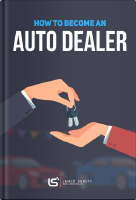
How to Become An Auto Dealer
Are you thinking about opening a dealership? Our eBook guide contains a detailed breakdown of all the requirements and steps to become an auto dealer!
eBook
Get your free copy
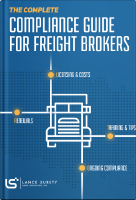
Compliance Guide for Freight Brokers
Whether you are an aspiring, newly started or experienced freight broker, this guide will provide you everything on getting licensed and staying compliant!
eBook
Get your free copy
In simplest terms, a surety bond is a three-party guarantee. What exactly is being guaranteed will vary by bond type. Some bonds guarantee compliance with a government license, whereas others can guarantee performance of a construction contract. Read ahead for a more in depth explanation.
The cost of getting bonded can vary depending on a number of factors such as personal credit and financial strength of an applicant, as well as the risk associated with a type of bond. The only way to determine your exact costs is to apply for a free quote. Read our section on bond prices for estimated costs.
Lance Surety offers a variety of exclusive programs designed to get applicants approved who have less than perfect credit, weak financial records, or those who lack credit history. If you have bad credit and need to get bonded, we can help!
As of October 2013, the FMCSA increased the bond requirement for all freight brokers and forwarders to $75,000. Fortunately, Lance Surety offers the lowest rates in the industry for BMC-84 bonds, with no collateral required! Get approved in just minutes by applying for a free quote.